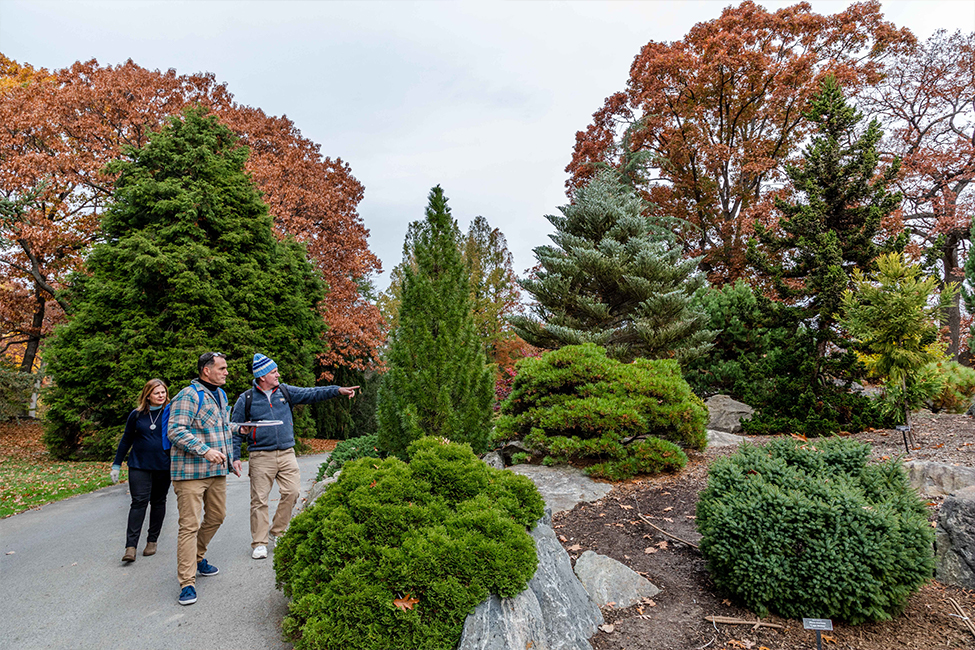
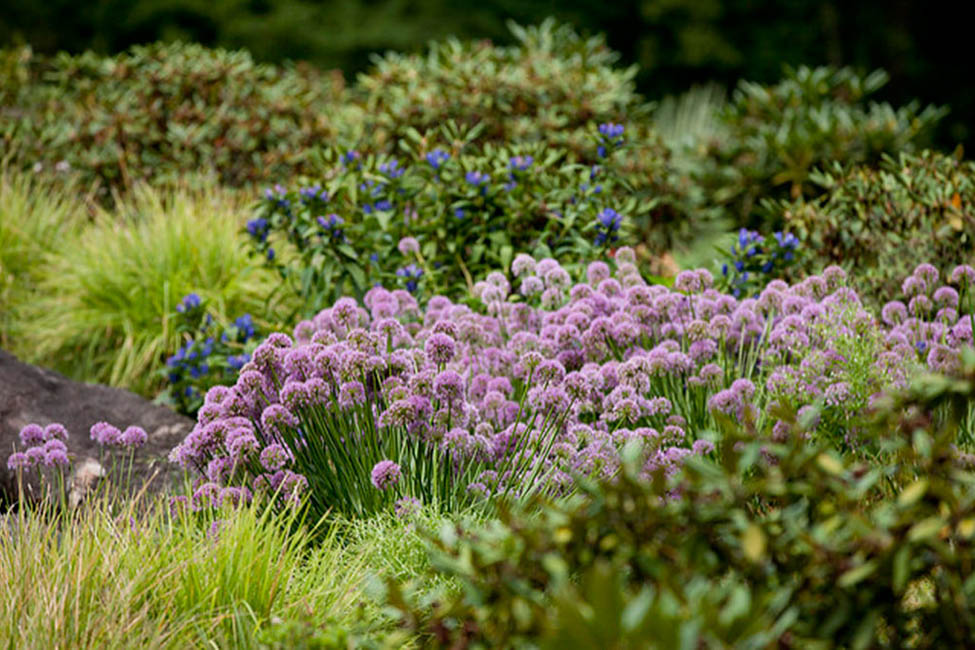
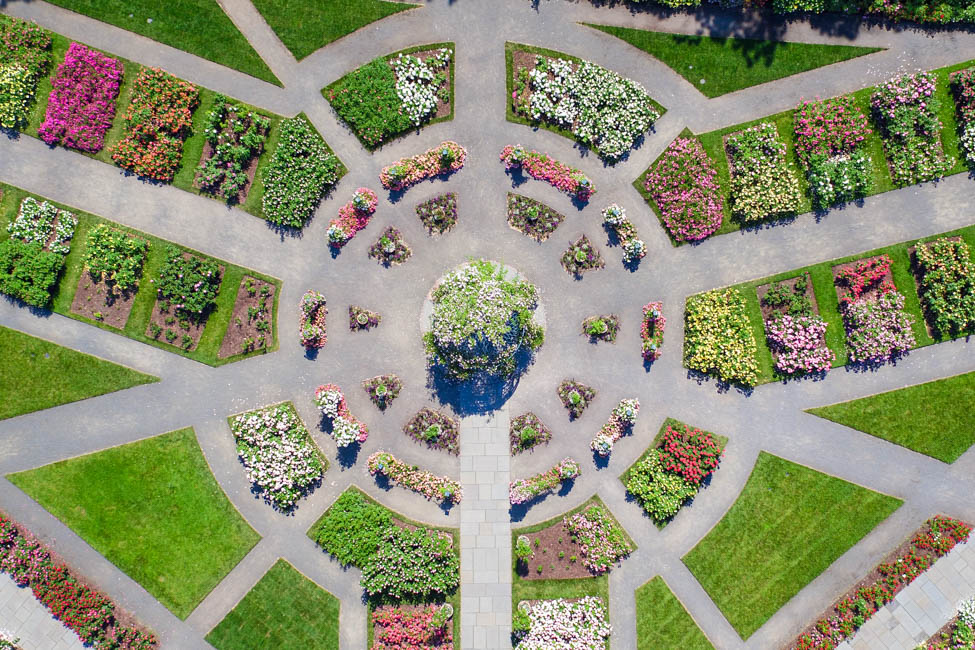
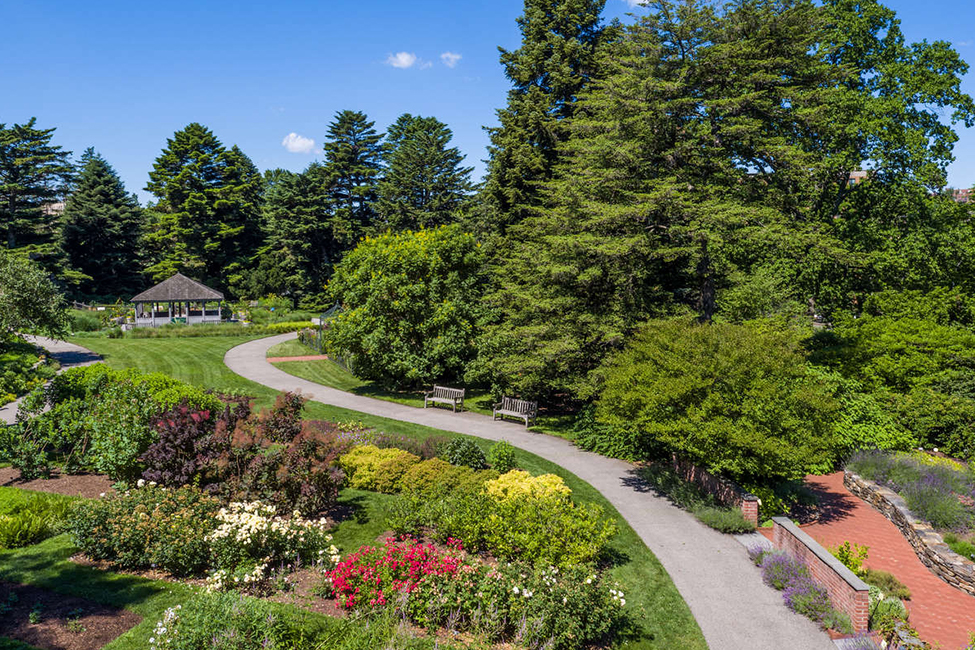
The need to develop, preserve, and protect our open spaces and environmental and cultural resources has never been greater. NYBG's engaging program gives you a solid, plant-focused foundation along with the skills and confidence to pursue your passion. What's more, the Garden offers 250 inspiring acres of sustainable, functional landscapes for up-close, in-depth study. Take a single course for fun or pursue a professional certificate in Landscape Design.
Click here for an overview of the certificate program.
Explore how to identify and use major groups of shade trees and shrubs native to and hardy in our region, including Acer, Quercus, and Viburnum, which are particularly ornamental in fall.
NYBG's
28th
Annual
Landscape
Design
Portfolios
Lecture
Series
welcomes
three
renowned
professionals
who
will
explore
how
landscape
architecture
can
honor
the
past,
respond
to
the
present,
and
cultivate
a
more
resilient
future
through
a
deep
understanding
of
place.
Across
projects
more...
Maura
Rockcastle,
ASLA,
PLA
is
the
co-founder,
and
principal
of
TEN
x
TEN—a
transdisciplinary
landscape
architecture
and
urban
design
practice
based
in
Minneapolis,
MN
that
is
grounded
by
a
shared
curiosity
and
passion
for
experimentation,
storytelling,
and
agency.
Choose the right plant for the right place, based on site-specific design and maintenance criteria. Learn landscape values such as size, texture, color, and flowering and fruiting seasons. Review trees, shrubs, groundcovers, annuals, and perennials suitable for this region.
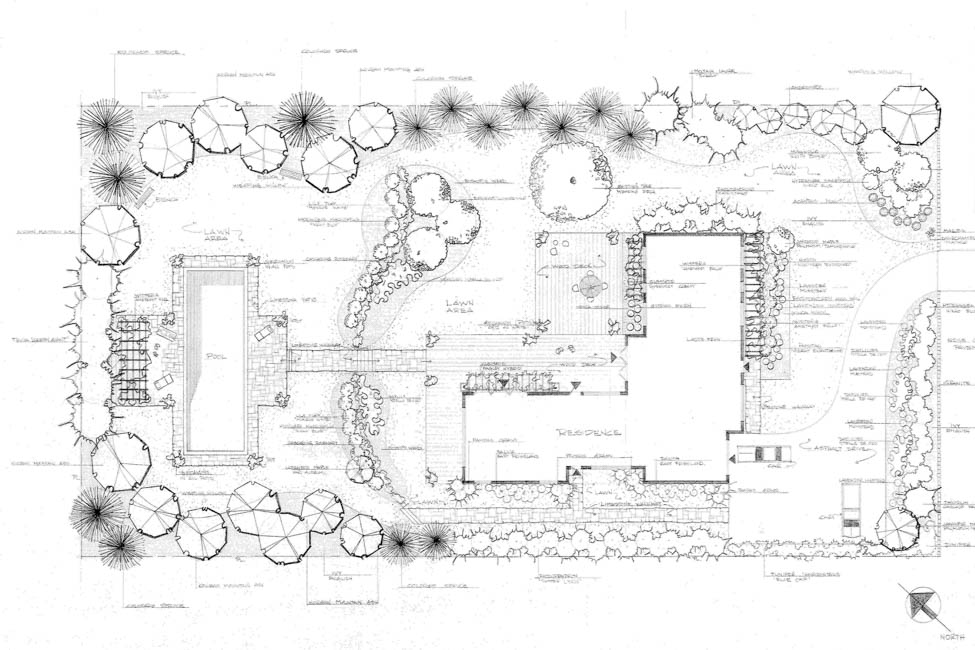
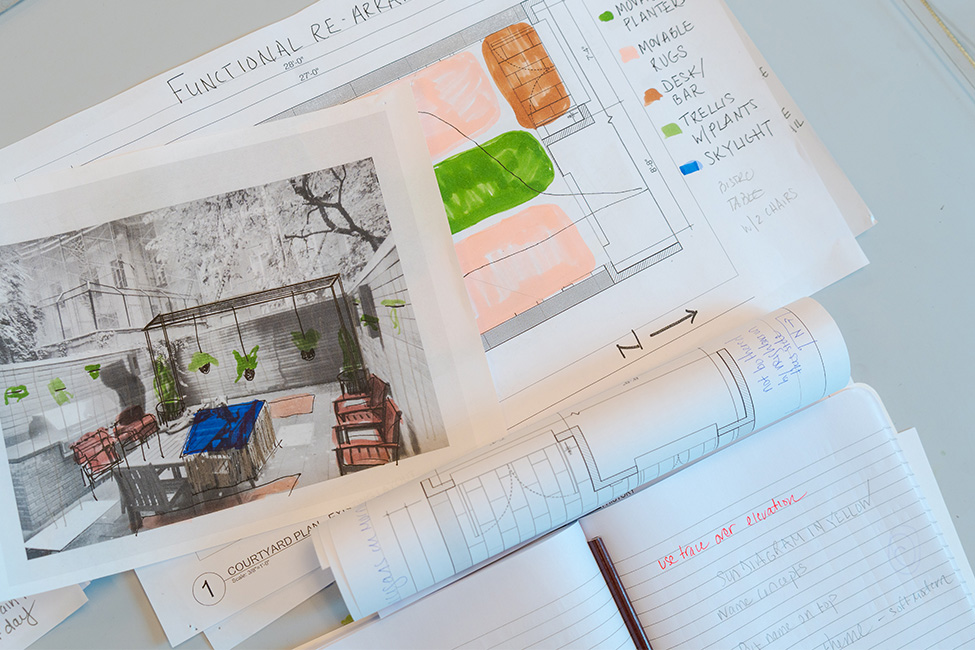
Graphics are essential in developing and communicating your ideas. Practice various graphic techniques on a range of materials and equipment and learn how to organize and render landscape plans on paper for optimal presentation to clients. Homework is required.
Explore how to identify and use major groups of shade trees and shrubs native to and hardy in our region, including Acer, Quercus, and Viburnum, which are particularly ornamental in fall.
Explore theories, traditions, and principles that have shaped the design of landscapes from antiquity to the present, through visual presentations, assigned readings, projects, and classroom discussion.
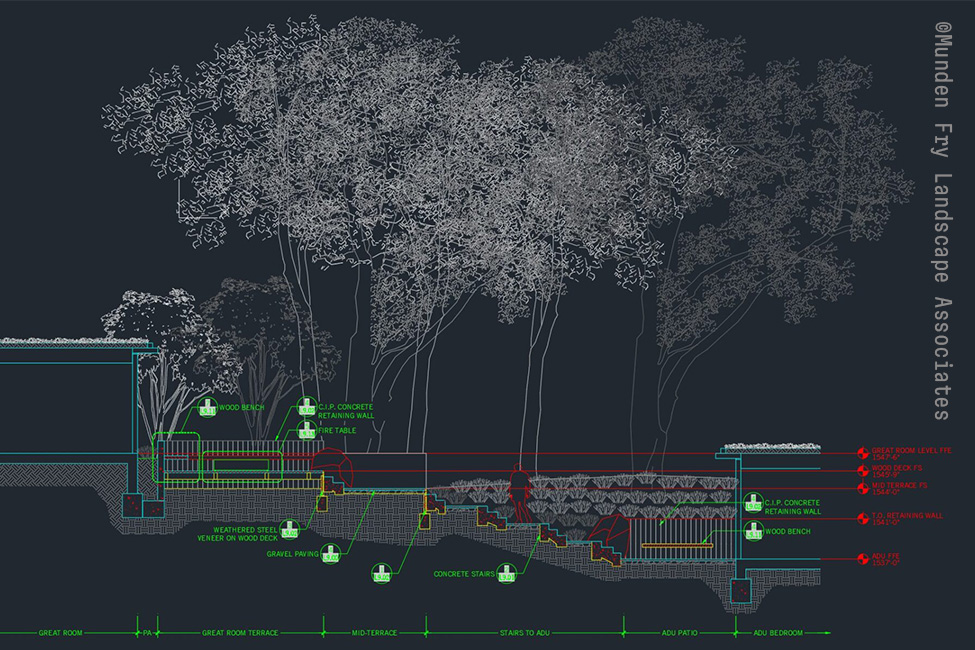
Learn the various tools and applications of this software package for landscape designers. Topics include: developing base plans from surveys, techniques for quick estimates, and utilizing the online plant database. Basic computer skills and PC laptop required.
Discover how to use a wide variety of Adobe Photoshop tools and techniques to add vibrancy to your hand- or computer-rendered drawings. Hone your own aesthetic as you craft plan views, section drawings, and design details that are client ready.
Douglas
Hoerr,
FASLA,
approaches
landscape
architecture
as
an
act
of
exceptional
craftsmanship,
one
that
begins
not
with
a
signature
style,
but
with
a
careful
reading
of
place.
As
the
founding
partner
and
president
of
Hoerr
Schaudt,
he
has
shaped
some
more...
Receive
an
introduction
to
AutoCAD—a
computer-aided
design
software
commonly
used
for
2D
and
3D
drafting,
design,
and
modeling—and
learn
about
its
enduring
power
within
the
landscape
design
industry.
Through
presentation,
live
discussion,
and
guidance
from
your
instructor,
you'll
be
able
more...
Gain
an
introduction
to
the
terminology,
concepts,
and
basic
principles
of
landscape
design
through
lectures
and
simple
two-dimensional
exercises.
This
course
is
recommended
for
students
with
little
or
no
background
in
design
who
want
to
design
for
their
own
home
more...
To
plant
a
tree,
to
design
a
garden
grove,
to
nurture
an
urban
forest—these
are
inherently
optimistic
acts.
Today,
landscape
architects
are
working
across
these
scales,
designing
the
spaces
of
our
future
and
making
choices
about
how
we
remain
in
more...

 Cart (0)