Among
Earth's
most
amazing
and
oldest
living
organisms,
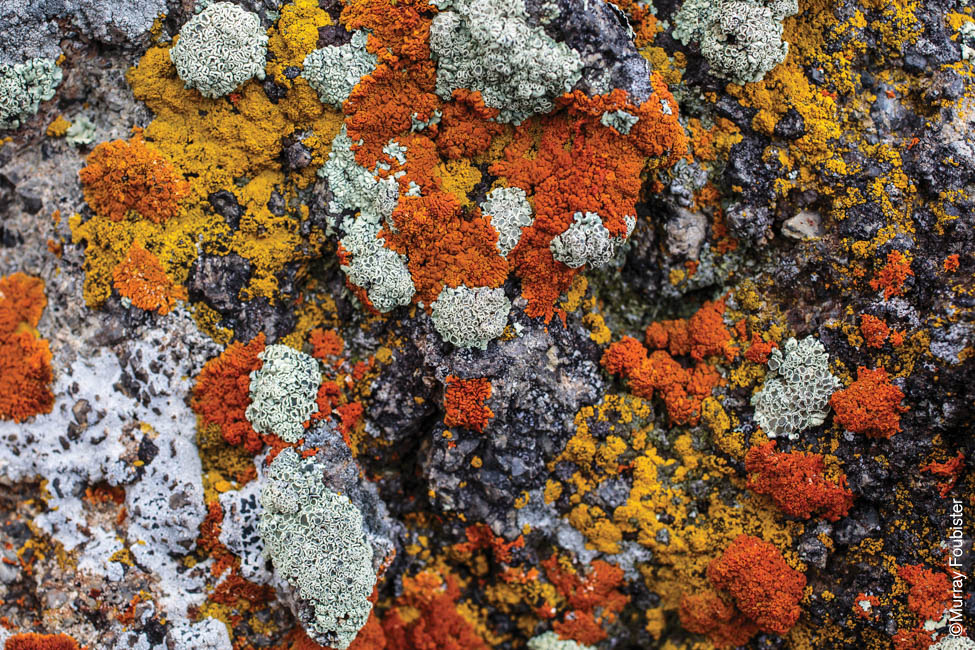
lichens
grow
on
bark,
rock,
and
barren
soil.
They
thrive
in
rain
forests,
deserts,
the
arctic
--
even
environments
simulating
Mars!
Lichens
are
sensitive
environmental
indicators,
yet
scientists
are
only
just
beginning
more...
Discover
the
world
of
the
marine
algae
under
the
microscope
and
through
artful
preservation
techniques.
You'll
begin
with
an
in-depth
overview
of
phycological
diversity
and
ecological
impact,
before
moving
onto
hands-on
identification
of
anatomy
under
the
microscope.
Then,
you
will
more...
Plants
do
not
grow
in
isolation—they
exist
within
a
rich
and
dynamic
ecosystem
teeming
with
microorganisms.
Explore
the
fascinating
and
essential
relationships
between
plants
and
the
microbial
world
that
surrounds
them.
From
symbiotic
fungi
that
extend
the
reach
of
plant
more...
Become
a
detective
of
the
natural
world
as
you
gain
a
solid
understanding
of
how
to
read
a
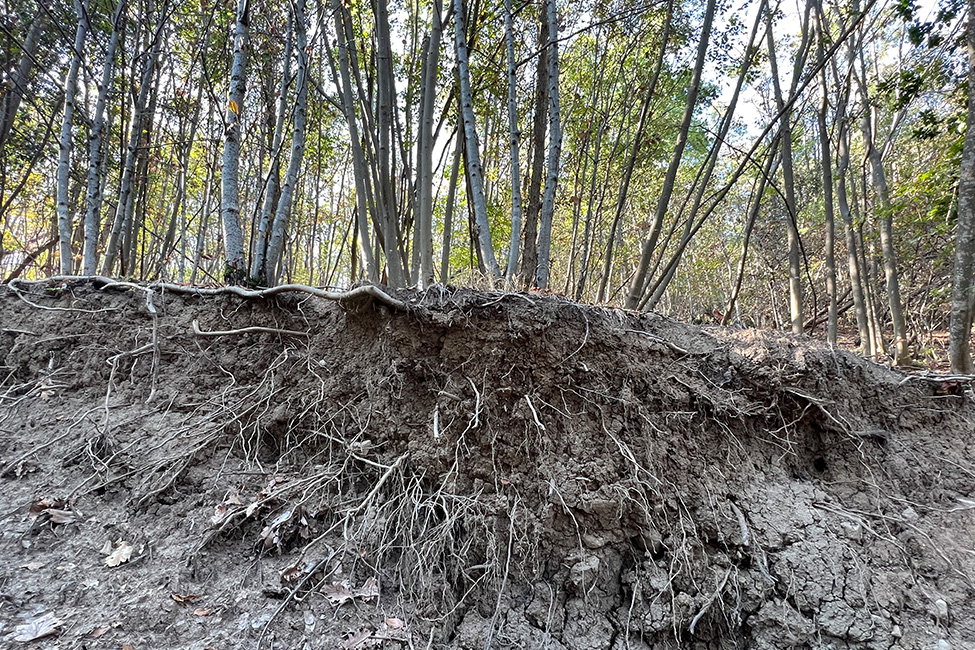
forest
scene.
Discover
how
historic
events
have
affected
the
forest
landscape,
shaping
its
current
appearance
and
function.
Through
presentation,
discussion,
and
walks
more...

 Cart (0)