Elective course offerings vary with every catalog season. Browse this page to discover what's currently scheduled. Students in pursuit of a Certificate must complete at least 30 elective course hours.
Autumn
is
a
period
of
intense
and
often
misunderstood
activity
for
urban
wildlife,
particularly
bats.
Explore
how
feeding,
reproduction,
dwindling
resources,
and
juvenile
dispersal
overlap
to
shape
the
behavior
of
bats
in
the
fall.
Through
a
combination
of
scenario-based
analysis
more...
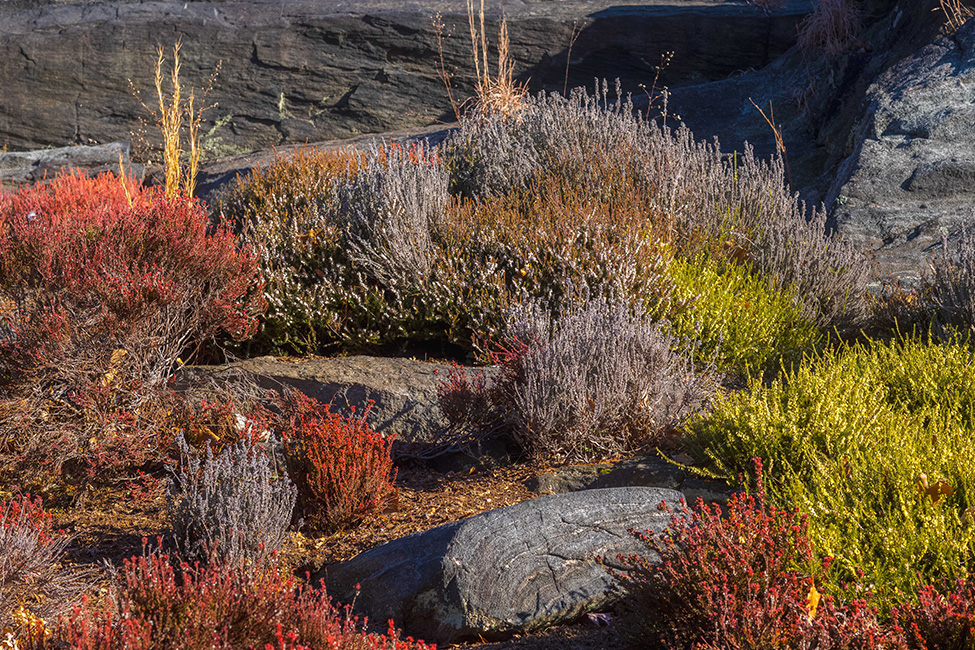
Explore the geology of New York City as you study various rock types and gain an understanding of their significance against the backdrop of plate tectonic theory.
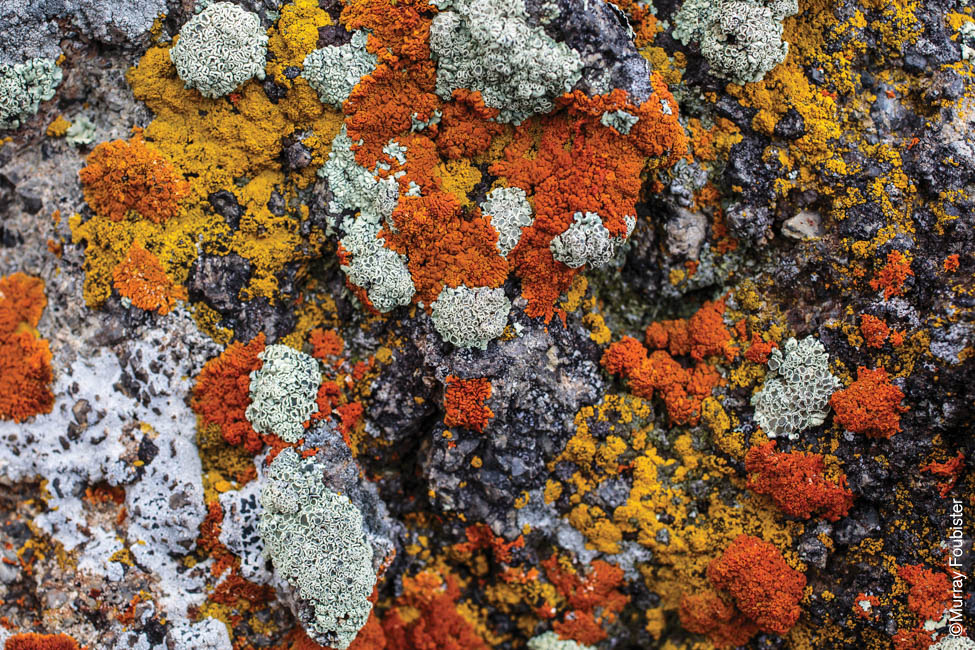
Among
Earth's
most
amazing
and
oldest
living
organisms,
lichens
grow
on
bark,
rock,
and
barren
soil.
They
thrive
in
rain
forests,
deserts,
the
arctic
--
even
environments
simulating
Mars!
Lichens
are
sensitive
environmental
indicators,
yet
scientists
are
only
just
beginning
more...
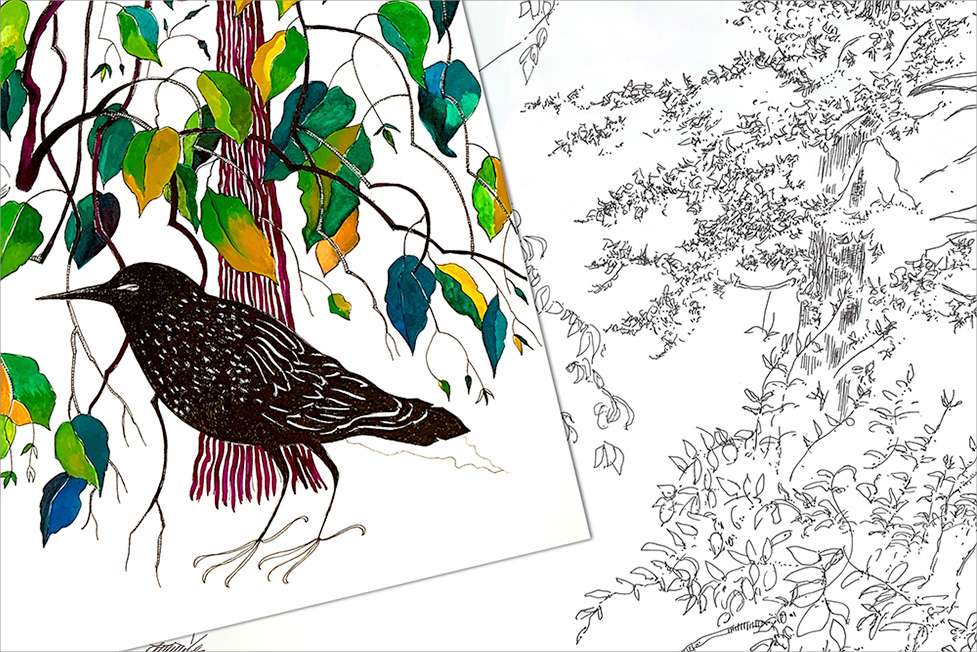
Take
your
naturalist
game
up
another
level
by
moving
beyond
sketchbook
drawings
to
create
an
accordion
book-or
small
series
of
artworks-inspired
by
your
favorite
observations
of
NYBG.
Working
with
shadows
and
light,
you'll
explore
color
in
a
variety
of
media
more...
Plants
do
not
grow
in
isolation—they
exist
within
a
rich
and
dynamic
ecosystem
teeming
with
microorganisms.
Explore
the
fascinating
and
essential
relationships
between
plants
and
the
microbial
world
that
surrounds
them.
From
symbiotic
fungi
that
extend
the
reach
of
plant
more...
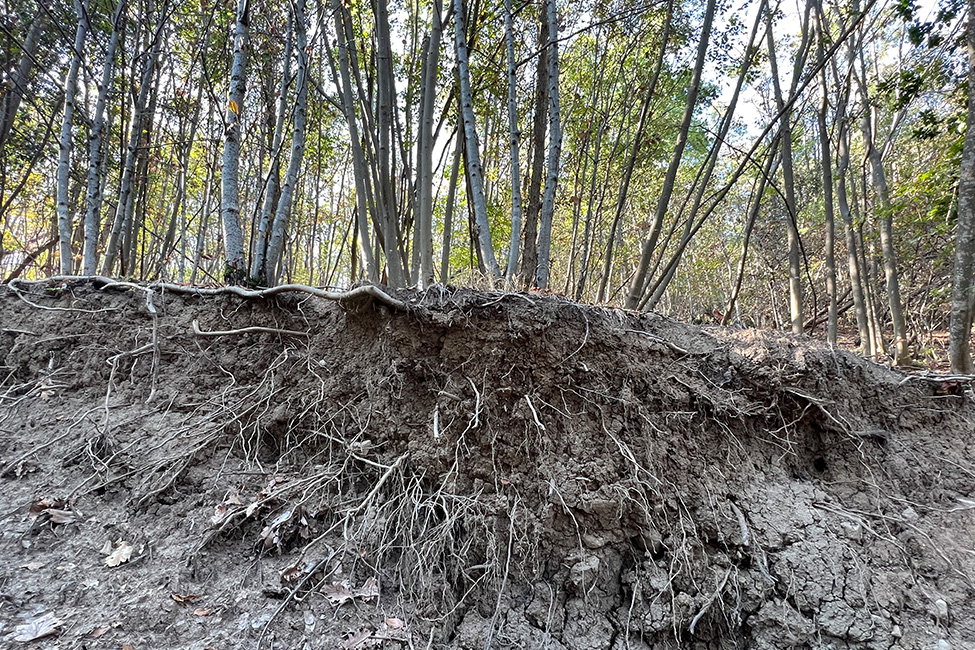
Become
a
detective
of
the
natural
world
as
you
gain
a
solid
understanding
of
how
to
read
a
forest
scene.
Discover
how
historic
events
have
affected
the
forest
landscape,
shaping
its
current
appearance
and
function.
Through
presentation,
discussion,
and
walks
more...

 Cart (0)