Dive into the flavorful field of fermentation, food preservation, and mixology, and explore the botany and horticulture behind your favorite foods and drinks.
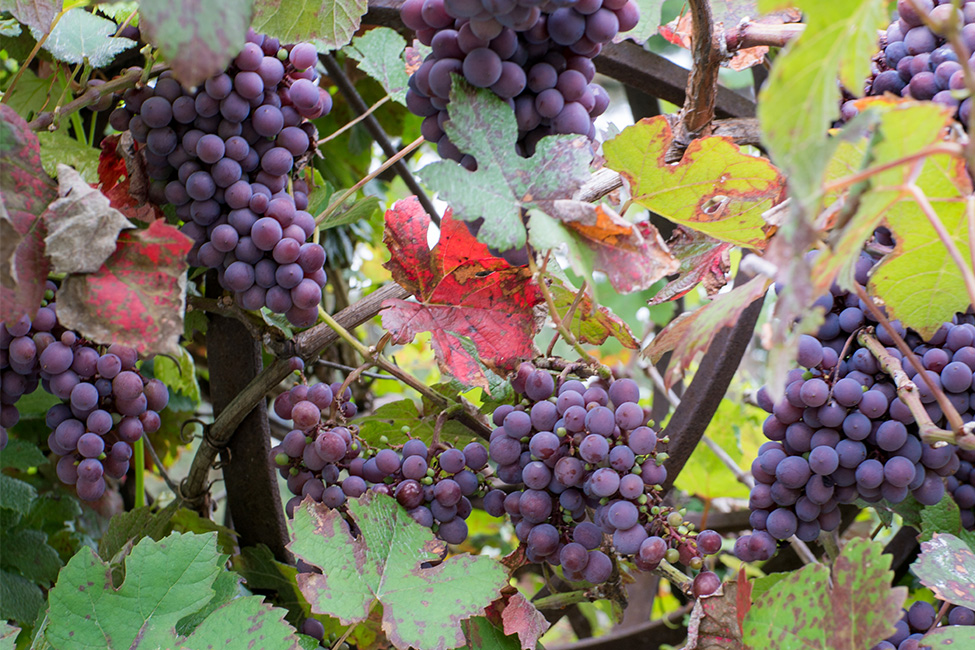
Wine
carries
the
flavor
of
the
land
where
its
grapes
are
grown--something
the
French
call
terroir.
But
why
does
a
Chardonnay
from
Burgundy
taste
so
different
from
one
made
in
California,
even
though
it's
the
exact
same
grape
variety?
The
more...
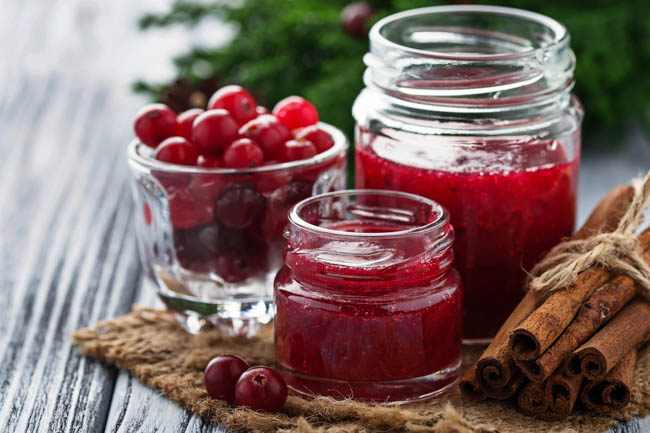
Ring
in
the
holiday
season
with
decadent
winter
fruit
preserves.
Learn
how
to
properly
preserve
fruit,
make
delectable
delights,
and
share
recipes
that
will
add
pizzazz
to
your
holiday
table
or
be
the
favorite
homemade
gift
for
your
foodie
friends
more...
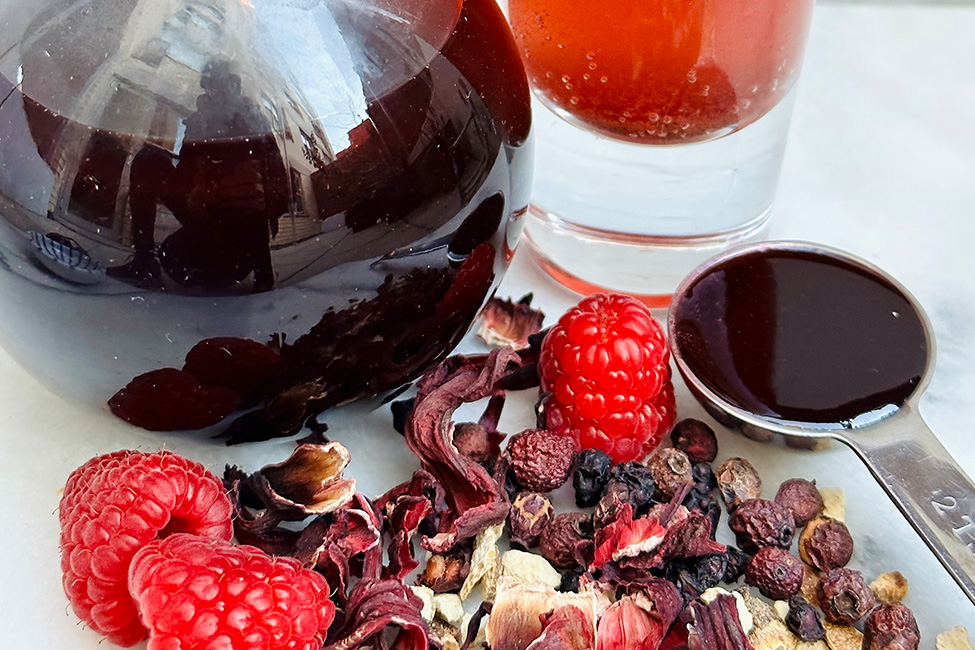
Discover
the
boundless
possibilities
of
working
with
natural
ingredients
such
as
leaves,
flowers,
barks,
seeds,
and
berries
to
craft
herbal
mocktails
for
any
occasion.
You'll
learn
how
to
infuse
different
botanical
elements,
including
aromatics
and
bitters,
into
beverages
to
add
more...

 Cart (0)