
 Cart (0)
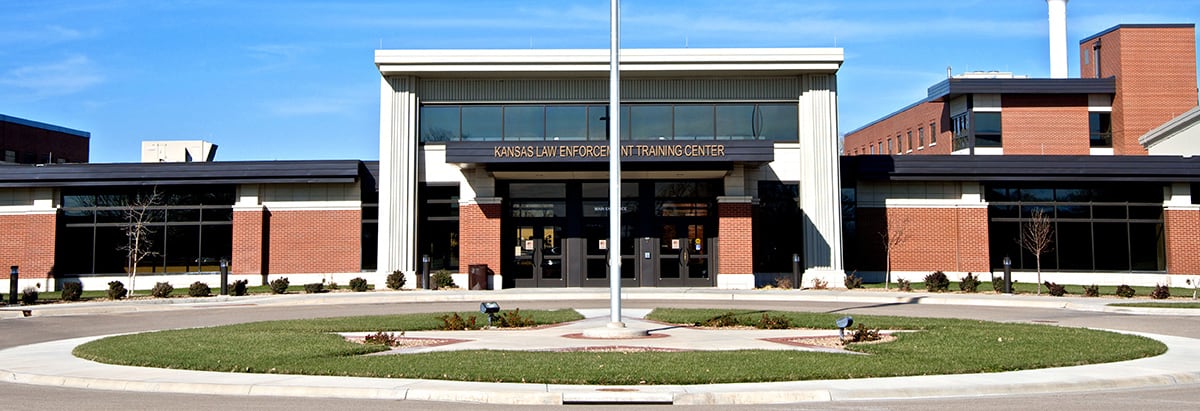
Criminal Investigations
|
|||||||
Featured Courses |
|
 2026 KBI Laboratory Capabilities: Chemical Analysis Series - Seized Drugs, Toxicology, and TraceThis Kansas Bureau of Investigation laboratory training provides law enforcement and court services personnel with an overview of chemical analysis services, including seized drugs, toxicology, and trace evidence. Participants will learn best practices for evidence submission and packaging, understand laboratory capabilities, and gain insight into interpreting forensic reports that support impaired driving cases, drug investigations, and other criminal inquiries. |
|
 Advanced Roadside Impaired Driving EnforcementThis advanced training builds on Standardized Field Sobriety Testing and equips officers with additional skills to recognize impairment caused by drugs other than alcohol. Participants learn to identify signs and symptoms of drug impairment, articulate reasonable suspicion, and support probable cause for DUI Drug arrests and toxicology testing. The course is designed for currently credentialed SFST officers who demonstrate proficiency in the SFST test battery. |
|
Applied Crime Scene Investigation: Tools, Techniques, and Lab IntegrationThis 2 1/2 day training is designed to expose law enforcement, crime scene, and forensic practitioners to the applications, methods, and skillsets utilized to conduct a scene investigation. Scene investigations can be simple or overly complex and may require a significant level of skill and/or specialized equipment. This course will prepare the student to recognize and interpret when and how to employ best practices to ensure accurate documentation, collection, and preservation of crime scene evidence and analytical data. |
|
 Asset ForfeitureThis course provides law enforcement professionals with a practical overview of asset seizure and forfeiture under state and federal law. Participants will learn how forfeiture is applied in criminal investigations, how it differs from the Kansas Drug Tax Act, and how seized assets and funds must be lawfully managed. The training supports effective investigations while promoting transparency, accountability, and public trust. |
|
Courses & Events
Basic Processing and Collection of Latent Prints
Tuesday, April 13, 2027, Washburn University KBI Forensic Science Center
Counter Human Trafficking for Kansas Law Enforcement: Foundations and Techniques
October 27-28, 2026, Washburn University KBI Forensic Science Center
Dangers of Non-Fatal Strangulation in Domestic Violence Cases
Thursday, November 5, 2026, Dodge City KLETC Regional Site
Fentanyl Safety, Decontamination, and Identification for Law Enforcement and First Responders
Tuesday, January 12, 2027, Zoom Facilitated Sessions
Thursday, April 1, 2027, Zoom Facilitated Sessions
Foundations of Crime Analysis
Friday, November 6, 2026, Edwards Campus KLETC Regional Site
High Risk Felony Search Warrants: Planning to Execution
Wednesday, October 7, 2026, Parsons KLETC Regional Site
Human Trafficking Investigations: From Victim Identification to Prosecution
Friday, November 13, 2026, Zoom Facilitated Sessions
Tuesday, May 18, 2027, Zoom Facilitated Sessions
Investigation and Analysis of Fire Scene Evidence
Wednesday, February 24, 2027, Learning Center Classroom Bldg
Investigations Bootcamp
October 12-16, 2026, Edwards Campus KLETC Regional Site
JOCO CSI: Fundamental Crime Scene Management and Evidence Collection

Tuesday, March 16, 2027, Johnson County Crime Lab
KBI Laboratory DNA Databank - Collecting DNA from Arrestees, Convicted Offenders, and Registered Offenders
Thursday, October 22, 2026, Zoom Facilitated Sessions
Thursday, February 11, 2027, Zoom Facilitated Sessions
KBI Laboratory Services - Digital Evidence
Tuesday, November 10, 2026, Washburn University KBI Forensic Science Center
Thursday, March 25, 2027, Learning Center Classroom Bldg
KBI Laboratory Services in Support of Violent Crime Investigations
Tuesday, January 19, 2027, Learning Center Classroom Bldg
Wednesday, March 17, 2027, Zoom Facilitated Sessions
Thursday, May 13, 2027, Zoom Facilitated Sessions
Tuesday, October 12, 2027, Washburn University KBI Forensic Science Center
Legacy of Brutality: Inside the Mexican Mafia "La Eme"
November 18-19, 2026, Dodge City Municipal Services Building
"Look What You Made Me Do": Best Practices in the Investigation and Prosecution of Domestic Violence Cases
March 29-31, 2027, KLETC Integrity Auditorium
Midwest Vice Investigators Summit
October 19-21, 2026, Sheraton Oklahoma City Downtown Hotel
Open-Source Intelligence for Law Enforcement
Friday, November 13, 2026, Edwards Campus KLETC Regional Site
Post-Blast Reconstruction Refresher Course
Thursday, March 25, 2027, Edwards Campus KLETC Regional Site
Practical Report Writing for the Line Officer
February 22-23, 2027, Learning Center Classroom Bldg
Search and Seizure in the 21st Century
Thursday, April 15, 2027, Zoom Facilitated Sessions
SFST Refresher
Tuesday, October 27, 2026, KLETC Integrity Auditorium
The LEO-Forensic Nurse Partnership: Improving Victim Care, Evidence Collection, and Case Outcomes
Monday, October 26, 2026, Learning Center Classroom Bldg
Certificate Programs
Criminal Investigations
The KLETC Certificate in Criminal Investigations will provide investigators with the knowledge and skill set required to be successful in their role. In today's changing climate, criminal investigators are faced with a multitude of situations. Beyond traditional investigation methodologies, criminal investigators must now be experts in human trafficking, internet and financial investigations, drug conspiracies, crimes against children and interview and interrogation to ensure the investigator is fully equipped with the competencies needed to meet the rigorous demands of the environments in which they will be working. Successful completion of the Certificate in Criminal Investigations will provide participants the ability to conduct professional and ethical investigations, improve their case management and documentation skills.
Learning Competency:
- Participants will employ best practices as they investigate any crime from its beginning to its eventual disposition; either as an individual, or as part of an investigatory team.
Learning Objectives:
- Participants will be able to conduct professional investigations.
- Participants will be able to adhere to ethical standards.
- Participants will be able to improve case management and documentation skills.
- Participants will be able to investigate a wide variety of crimes.