 Cart (0)
|
|||||||
Featured Courses |
|
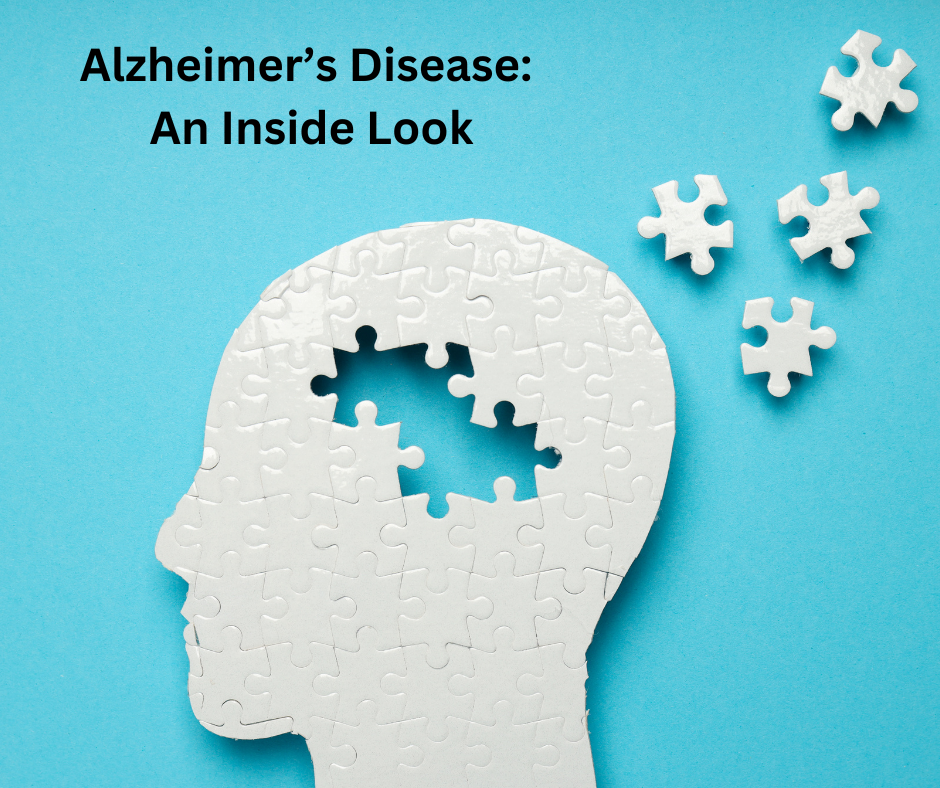 Alzheimer's Disease: An Inside Look - Live WebinarThis workshop provides a foundational understanding of Alzheimer's disease, focusing on its causes, symptoms, and stages. Students will learn practical communication techniques and caregiving strategies to support individuals with Alzheimer's and enhance their quality of life. |
|
 Implicit Bias Awareness - Live WebinarImplicit Bias refers to unconscious beliefs and stereotypes that can unintentionally influence attitudes and behaviors toward others. This webinar explores how implicit biases are formed, how they differ from explicit bias, and the impact they can have in healthcare settings.This training meets the requirements outlined in Illinois House Bill 0309. Participants will learn to define implicit bias, recognize its effects on healthcare recipients, and identify strategies to reduce and mitigate bias in both personal and professional interactions. |
|
 Sexual Harassment PreventionClick the register link to see available sessionsThis training is held in partnership with Clove Alliance and meets the standards and guidelines for sexual harassment training that is required for all employers in the state of Illinois. Learn what sexual harassment is and what behaviors constitute sexual harassment. Become equipped with information regarding employee rights in the workplace regarding sexual assault and the information needed to file a report. |
|
Be a Better Writer: 10 Easy Tips to Improve Your WritingClick the register link to see available sessionsWe write everyday: emails, social media posts, work projects, and even non-fiction or creative writing. Improving is just a matter of knowing some simple tricks to make your writing more impactful and readable. It may help you get a promotion at work or avoid rejection from a publisher. In this hands-on session, there will be writing/editing examples and exercises so you can see in real time how to make sentences flow properly while still maintaining reader interest. A workbook full of writing tips and tricks will be given to each participant. |
|
Domestic Violence and Sexual Assault TrainingClick the register link to see available sessionsClick here to be notified about the next scheduled program. This course offered in partnership with Harbor House and Clove Alliance, provides an overview of sexual assault and domestic violence, including common forms of abuse, the dynamics of power and control, and the impact these experiences can have on individuals, families, and communities. Participants will explore how to respond when someone discloses an experience of abuse, identify ways to provide appropriate support, and learn about local resources available to survivors. The course emphasizes that abuse can affect anyone, regardless of age, gender, relationship, or circumstances, and highlights community resources. |
|


