|
|
This workshop explores the powerful connection between self-love, self-care, and mental health. Participants will learn how self-care practices-such as rest, mindfulness, and healthy boundaries-reinforce self-love and build resilience. Together, these practices reduce stress, strengthen emotional well-being, and encourage personal growth. By the end of the session, attendees will leave with practical strategies to cultivate a healthier relationship with themselves and support long-term balance and fulfillment.
|
Working with clients who seem resistant, disengaged, or stalled in progress presents unique clinical challenges. This interactive webinar examines common factors that contribute to client stagnation and highlights the importance of the therapeutic alliance in fostering motivation and change. Participants will gain practical engagement techniques tailored to client readiness and explore how self-awareness and clinician reflection can enhance therapeutic effectiveness.
|
|
When trust is high, patients are more likely to follow medical advice and promote their healthcare providers. As the patient population grows more diverse, nurses and medical professionals must develop cultural competence and humility. This webinar explores key concepts and practical strategies for engaging patients across cultures, including the first minute of contact, creating welcoming environments, and recognizing microaggressions in medical practice.
|
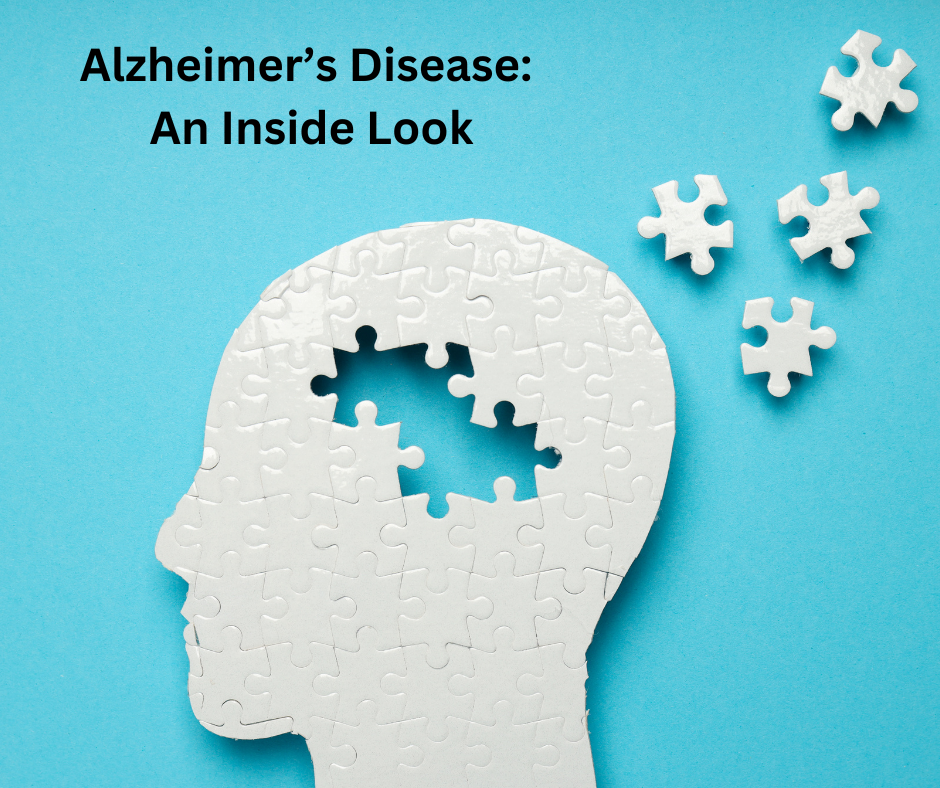
This workshop provides a foundational understanding of Alzheimer's disease, focusing on its causes, symptoms, and stages. Students will learn practical communication techniques and caregiving strategies to support individuals with Alzheimer's and enhance their quality of life.
|
|
Effective January 28, 2022, all licensed mental health and healthcare professionals, (including social workers, counselors, dietitians, nurses, nursing home administrators, physical therapists, occupational therapists, and respiratory therapists) must attend a one hour training on Implicit Bias Awareness. Implicit Bias is an unconscious belief system based on stereotypes (e.g. racial, gender) that inadvertently influences one's attitudes and behaviors towards members of certain groups in ways in which one may not be aware.
|
Client relapse, recidivism and premature termination from counseling remain high. In this skill-building presentation you will learning 25 strategies which will enable you to: engage clients in addictions and mental health treatment more effectively, address conflict in individual, group and family counseling; instill hope; empower clients; facilitate change and recovery.
|
|
This three-hour workshop reframes burnout as a disconnect between body, mind, and spirit-not just stress. Through guided discussion and embodied practices, participants explore how nervous system imbalance, self-neglect, and emotional overload lead to exhaustion. Drawing from neuroscience, psychology, yoga, and Ayurveda, the class offers practical tools for balance, resilience, and lasting well-being.
|
This continuing education program provides an opportunity for professionals to reflect on how personal and organizational values influence their interactions with patients, clients, and colleagues. Participants will examine how implicit bias, bias language, and discrimination can interfere with effective communication, trust-building, and care outcomes. Through guided discussion and case-based reflection, the course explores practical strategies to recognize, reduce, and respond to bias while fostering dignity, respect, and belonging in professional and community settings. Participants will leave empowered to make a positive impact in their workplace and community.
|
|
This presentation focuses on mastering the 7 things great supervisors do, including: Helping staff develop counseling and case management skills; building rapport in supervision; co-creating a supervisory plan; lead; team build; manage organizational change; lead during turbulent times; manage and supervise generational diversity.
|
Learn to recognize several life-threatening emergencies, give high-quality chest compressions, deliver appropriate ventilations, and provide early use of an AED. This course provides the information, training, demonstration and practice necessary to pass the CPR Health Care Provider.
|
|
This training meets the standards and guidelines for sexual harassment training that is required for all employers in the state of Illinois. Learn what sexual harassment is and what behaviors constitute sexual harassment. Become equipped with information regarding employee rights in the workplace regarding sexual assault and the information needed to file a report.
|
|

 Cart (0)